Home Writing: A Handwritten Font for Makers
There’s something special about the way a handwritten font can make a product feel more personal, more thoughtful. I was working on a batch of candle labels when I first discovered Home Writing, and it immediately caught my eye. The font has this warm, friendly energy that feels like it was written with care, making it perfect for handmade items that tell a story.
What Makes Home Writing Unique
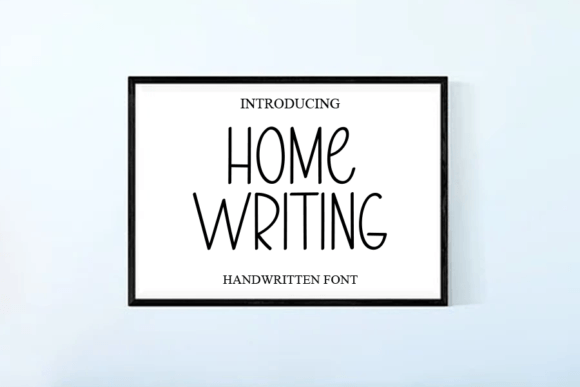
Home Writing is a simple yet expressive handwritten script. It doesn’t have the overly ornate flourishes of some script fonts, but it still carries a sense of elegance and authenticity. The letters flow naturally, with subtle variations that give each word a handcrafted feel. It’s ideal for anything that needs a touch of personality without being too flashy or hard to read.
I often use it for greeting cards and invitations, where the tone needs to be both professional and approachable. The font works well in small sizes too, which is great for labels and product tags. It adds a nice contrast to clean, modern designs, and it pairs beautifully with sans serif or simple serif fonts when I’m creating a cohesive look for a shop or project.
Using Home Writing in Real Projects
One of my favorite uses for Home Writing is on farmhouse signs. Whether it’s a “Welcome” sign for a porch or a kitchen chalkboard, the font gives it that cozy, homemade vibe. I also love using it for wedding welcome boards and seasonal decor, where the handwriting feels like part of the design rather than just text.
For digital printables, I’ve used Home Writing in printable wall art and planner pages. It adds a custom feel without needing a lot of extra design work. When I create printable templates, I often pair it with a bold display font for headings, letting the handwritten style shine in the body text. It’s versatile enough to work in both digital and physical formats, which is a big plus for someone who sells both types of products.
Practical Tips for Using Home Writing
When I first started using Home Writing, I made sure to test it on different materials. For example, when cutting labels with a Cricut or Silhouette machine, I checked how the font looked at various sizes. It holds up well on small stickers and product tags, but I avoid using it for long paragraphs since the handwriting can become less legible.
For packaging design, I like to use it for product names and short descriptions. It gives the package a more personalized feel, which can make a big difference in how customers perceive the quality of the item. I also use it on boutique tags and pricing labels, where a little bit of personality goes a long way.
Pairing Home Writing with Other Fonts
Font pairing is always an important consideration, especially when designing for multiple platforms. I often pair Home Writing with a clean sans serif font like Montserrat or Open Sans for a balanced look. This combination works well for website headers, social media graphics, and even email newsletters.
When I’m working on invitations or stationery, I sometimes pair it with a simple serif font like Lora or Georgia. The contrast between the handwritten style and the more structured serif adds visual interest without being overwhelming. For more decorative projects, I might pair it with another script font, but I usually keep it to one script per design to maintain clarity.
Considering Licensing and File Formats
Before I started selling products with Home Writing, I made sure to check the licensing details. It’s important to know what you can and cannot do with a font, especially if you’re using it for commercial purposes. Home Writing comes in various file formats, including OTF and TTF, which are compatible with most design software and cutting machines.
I also recommend checking for alternate characters, ligatures, and swashes, as these can add more variety to your designs. If you’re creating digital downloads or SVG-style projects, having access to these features can make a big difference in the final result. Multilingual support is another factor to consider, especially if you’re targeting international markets.
Home Writing in Action
One of my recent projects involved creating a set of holiday tags for a small gift shop. I used Home Writing for the text on each tag, paired it with a bold sans serif for the main message, and added some decorative elements around the edges. The result was a set of tags that felt both professional and personal, which was exactly what the shop owner wanted.
Another time, I designed a series of printable wall art pieces for a client who runs a small home decor business. We used Home Writing for the main text, and it gave the artwork that handmade feel without looking too casual. It worked well in both digital and printed formats, and the client loved how it tied into their overall brand aesthetic.
Final Thoughts on Home Writing
Home Writing is a font that feels like it was made for makers. It’s easy to use, visually appealing, and adaptable to a wide range of projects. Whether you’re designing labels, greeting cards, or digital printables, it adds a personal touch that can elevate your work. Its versatility makes it a valuable addition to any designer’s toolkit, especially for those who want to bring a handmade feel to their products.