Signatory: A Dazzling Script Font
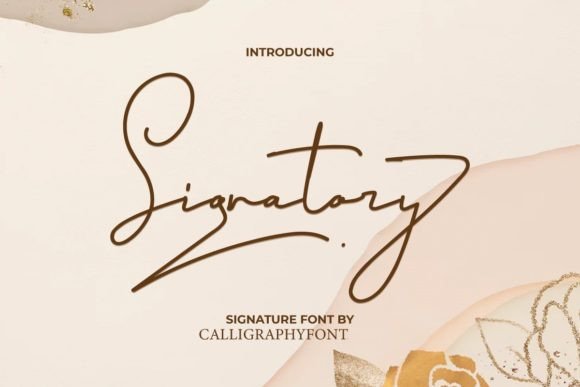
Signatory is a premium script font that brings elegance and sophistication to editorial design. Its meticulously crafted details make it ideal for headlines, covers, and branding elements that demand visual appeal without sacrificing readability.
As a member of the Script Amp collection, Signatory offers a unique blend of fluidity and structure. The font’s flowing lines and refined strokes give it a handwritten feel while maintaining a polished appearance. This balance makes it suitable for both digital and print projects where style and clarity are essential.
For content creators, Signatory serves as a powerful tool in shaping the visual tone of publications. Whether designing a blog header, crafting a magazine cover, or developing a brand identity, this font adds a touch of personality and professionalism.
Using Signatory in Editorial Design
In editorial layouts, Signatory excels as a display font for headings, pull quotes, and section dividers. Its legibility at larger sizes ensures it commands attention without overwhelming the reader. For example, a lifestyle blog could use Signatory for article titles, creating a cohesive and stylish look across posts.
When used in ebook titles or chapter openers, Signatory adds a sense of refinement. It works particularly well in recipe books, wedding guides, and coaching workbooks where the visual presentation enhances the overall user experience. The font’s versatility allows it to complement both modern and traditional design aesthetics.
Newsletters and printable guides also benefit from Signatory’s presence. As a creative font, it can be used in lead magnets, worksheets, and planners to draw readers in and establish a strong visual identity. Its ability to stand out while remaining readable makes it a valuable addition to any designer’s toolkit.
Supporting Visual Hierarchy and Brand Identity
Signatory plays a key role in establishing visual hierarchy within content. By using it for headings and subheadings, designers can guide readers through a publication with clear, structured navigation. This is especially important in long-form articles, digital magazines, and downloadable resources where organization is crucial.
The font’s personality contributes to the mood of a publication. Its smooth curves and elegant form evoke a sense of grace and creativity, making it an excellent choice for brands focused on artistry, fashion, or personal development. When paired with a clean sans serif or readable serif font, Signatory becomes even more effective in balancing style with functionality.
Consistency is another strength of Signatory. When used across multiple platforms—such as web design, social media graphics, and packaging design—it reinforces brand recognition. This consistency helps build trust and familiarity with the audience, which is essential for independent content creators and publishers.
Readability and Practical Considerations
While Signatory is best suited for short text elements like headings and quotes, its readability at smaller sizes makes it usable in captions, labels, and other design components. However, it is not recommended for body copy due to its intricate details, which can become difficult to read on screens or in print.
Designers should also consider how Signatory performs in different formats. When exported as a PDF or used in mobile layouts, the font maintains its clarity and impact. For print projects, it adds a tactile quality that elevates the final product, making it ideal for branded materials and high-end publications.
Font pairing is an important aspect of using Signatory effectively. Combining it with a serif font like Georgia or a sans serif like Open Sans creates a harmonious contrast that enhances readability. This approach is especially useful for blogs, magazines, and ebooks where a mix of styles supports both aesthetics and usability.
Commercial Use and Licensing
Signatory is available under a commercial license, making it suitable for a wide range of publishing projects. Content creators can confidently use it in ebooks, templates, printables, paid newsletters, and client publications without worrying about licensing restrictions.
Before incorporating Signatory into a project, it’s important to review the font’s available styles, alternates, and ligatures. These features allow for greater customization and ensure the font adapts well to different design needs. Additionally, checking multilingual support is advisable for international audiences or content in multiple languages.
Whether you’re designing a digital magazine, a creator newsletter, or a printable planner, Signatory offers a compelling option for adding visual flair. Its combination of detail, elegance, and practicality makes it a standout choice for editorial design and content branding.